Tinnitus Management Gold Coast
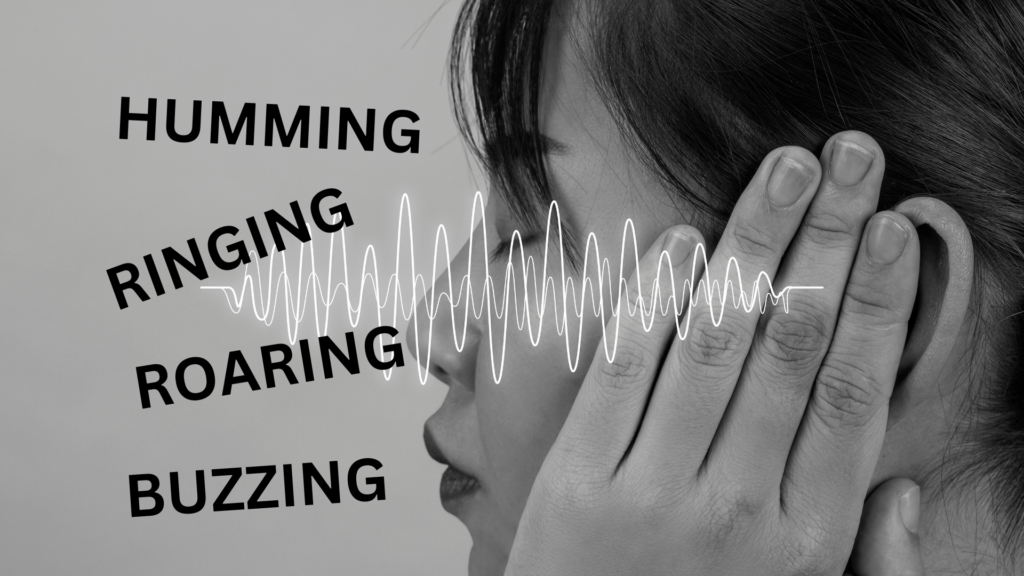
Tinnitus is often described as a ringing, buzzing, hissing, or whistling sound in the ears or head. It can be temporary or chronic and may vary in intensity. While not a disease itself, tinnitus is often a symptom of an underlying health condition.
Available at our Broadbeach, Pimpama and Hope Island clinics · View all locations →
Causes of Tinnitus
Exposure to Loud Noise
Prolonged exposure to loud noise can damage the delicate hair cells in the inner ear, leading to tinnitus.
Age-related Hearing Loss
As we age, the auditory system naturally deteriorates, increasing the risk of developing tinnitus.
Ear Infections or Injuries
Infections, injuries, or obstructions in the ear canal can trigger tinnitus symptoms.
Medical Conditions
Certain medical conditions such as Meniere’s disease, otosclerosis, and temporomandibular joint (TMJ) disorders can cause tinnitus.
Medications
Some medications, including certain antibiotics, antidepressants, and chemotherapy drugs, may cause or exacerbate tinnitus as a side effect.
Symptoms of Tinnitus
Persistent ringing, buzzing, hissing, or other sounds in the ears or head.
Difficulty concentrating or sleeping due to the noise.
Increased stress, anxiety, or depression.
Sensitivity to loud sounds (hyperacusis).
Management and Treatment Options
Hearing Aids
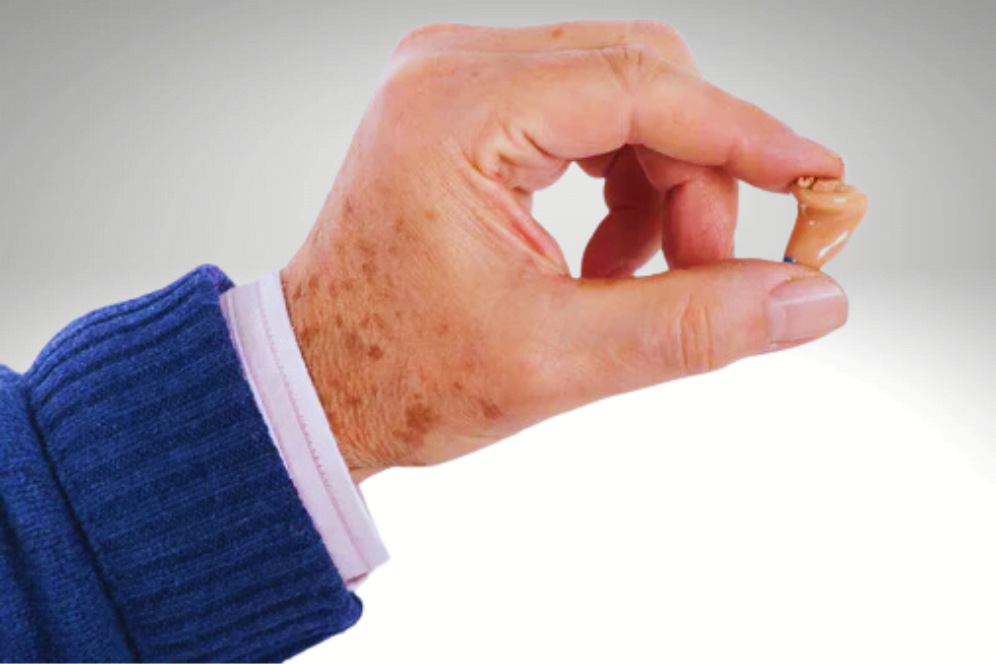
For individuals with hearing loss and tinnitus, hearing aids can help by amplifying external sounds and masking the tinnitus noise.

Sound Therapy
Using external sound sources, such as white noise machines or nature sounds, can help mask the tinnitus and provide relief.

Cognitive Behavioral Therapy (CBT)
CBT techniques can help individuals change their reaction to tinnitus and reduce associated distress.

Medications
In some cases, medications such as antidepressants or anti-anxiety drugs may be prescribed to manage tinnitus symptoms.

Lifestyle Changes
Avoiding exposure to loud noise, reducing stress, maintaining a healthy lifestyle, and managing underlying medical conditions can all contribute to tinnitus management.
Tinnitus can be a challenging condition to live with, but with the right management strategies, its impact can be minimized. If you’re experiencing tinnitus symptoms, it’s essential to seek evaluation and guidance from a qualified healthcare professional. By understanding the causes, symptoms, and management options for tinnitus, you can take proactive steps towards improving your quality of life and finding relief from tinnitus-related distress.
Tinnitus FAQs
Tinnitus is a ringing, buzzing, hissing or whistling sound in the ears or head. It can be temporary or long-lasting and is usually a symptom of an underlying condition rather than a disease itself.
Common causes include exposure to loud noise, age-related hearing loss, ear infections, injuries or blockages, conditions such as Meniere’s disease, otosclerosis and TMJ disorders, and some medications.
Options include hearing aids, sound therapy, cognitive behavioural therapy and lifestyle changes such as avoiding loud noise and reducing stress. Your doctor may also consider medication in some cases.
Yes, for many people with hearing loss. Hearing aids amplify outside sounds, which can make the tinnitus less noticeable.
Book an assessment if tinnitus lasts more than a few days or affects your sleep, concentration or mood. If it starts suddenly in one ear, or comes with dizziness or sudden hearing loss, see your GP promptly.